Accountability When You Live Alone, It’s Different

I’ve had several conversations recently with bariatric patients and Premier Access members who live alone, and a similar theme about accountability keeps coming up.
One person said it out loud in a way that really stuck with me:
“Honestly… no one knows or cares if I eat ice cream at night.”
There was no shame in how she said it. No drama. Just honesty.
When you live alone, there’s no one that might cause the slightest bit of pause before a food purchase or decision. There’s no built-in structure around meals, groceries, or routines unless you create it yourself.
Sure, having other people in the house bring it’s own set of complications around the food environment too.
I doubt one is entirely easier than the other. They are just different situations.

Accountability Isn’t About Someone Watching You
When people hear the word accountability, they often picture rules, tracking, or someone checking up on them.
But real accountability — the kind that actually supports long-term change — isn’t about surveillance. It’s about connection.
It’s about having:
A place to be honest
Language for what you’re experiencing
Support when motivation dips
Perspective when all-or-nothing thinking creeps in
When you live alone, the challenge isn’t that you need someone to call you out. That sounds terrible! It’s that everything happens quietly.
Quiet eating.
Quiet stress.
Quiet exhaustion.
Quiet decisions at the end of a long day.
And quiet is where shame tends to grow.
“No One Will Know” Is a Heavy Thought to Carry
I hear versions of this all the time:
“No one will know if I eat a real dinner.”
“No one will know if I snack all evening.”
“No one cares if I get to the grocery store.”
On the surface, it sounds neutral. But underneath it often carries something heavier — loneliness, fatigue, or the sense that you’re doing this all by yourself.
And here’s the important part:
Eating ice cream at night isn’t the problem.
The problem is feeling like you’re on your own with everything — hunger, habits, stress, body changes — without anyone to normalize the experience or help you reset without shame.
Accountability Can Be Gentle
One of the biggest mindset shifts I work on with people who live alone is this:
Accountability does not have to be in your home to be effective.
Members in our Premier Access Community post their menu at the beginning of the week, and photos of the dinners from that menu to show the follow through.
It can also look like:
Planning dinner because future-you deserves a good meal (even better…at a table)
Having a solid, filling protein at that dinner, because you know hunger hits later
Eating something earlier in the day so you don’t feel frantic at night
Asking yourself, “What would help right now?” instead of “What’s wrong with me?”
That’s not discipline.
That’s self-care with structure.
Why Community Matters (Especially When You Live Alone)
This is where community becomes more than a “nice extra.”
When you live alone, community provides:
External structure when internal motivation is low
Perspective when your thoughts spiral
Normalization when you feel like you’re the only one struggling
Accountability that’s based on encouragement, not judgment
Sometimes just seeing someone else ask the question you were afraid to ask is enough to help you take the next step.
Sometimes reading, “Me too,” changes the whole night.

You’re Not Meant to Do This in Isolation
Food choices don’t happen in a vacuum. They happen in the middle of busy days, emotional evenings, long work weeks, and quiet homes.
Living alone doesn’t mean you need more willpower.
It means you need more intentional support.
That support might look like:
Recipes that reduce decision fatigue
Menus so you’re not starting from scratch
Short videos that remind you why certain choices help
A community that understands bariatric life, hunger changes, and real-world obstacles
Accountability works best when it feels safe — not performative.
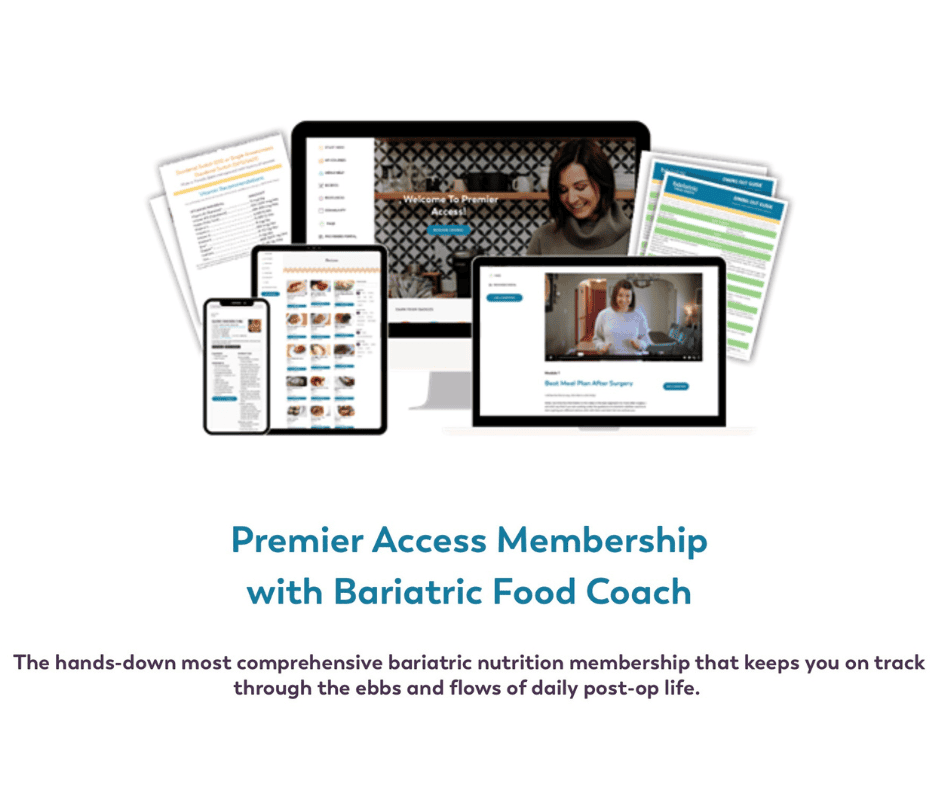
Why Premier Access Helps So Many People Who Live Alone
One thing I hear often from Premier Access members who live alone is this:
“It just helps to not feel like I’m doing this by myself.”
Premier Access isn’t about being perfect or “on plan.” It’s about having:
Ongoing education you can return to
Tools you can use when life feels messy
Community support when motivation dips
A reminder that you’re not the only one navigating this
That kind of accountability doesn’t come from someone watching you.
It comes from belonging.

A Final Thought
If you live alone and find evenings hard, that doesn’t mean you lack discipline.
It means you’re human.
And humans do better with:
Connection
Encouragement
Structure that feels supportive, not restrictive
Accountability doesn’t have to be loud or rigid. Sometimes it’s just knowing there’s a place you can show up — honestly — and be met with understanding.
You were never meant to do this alone. Join us!